Steam Cleaning vs Dry Cleaning — Which Is Better for Your Carpet?
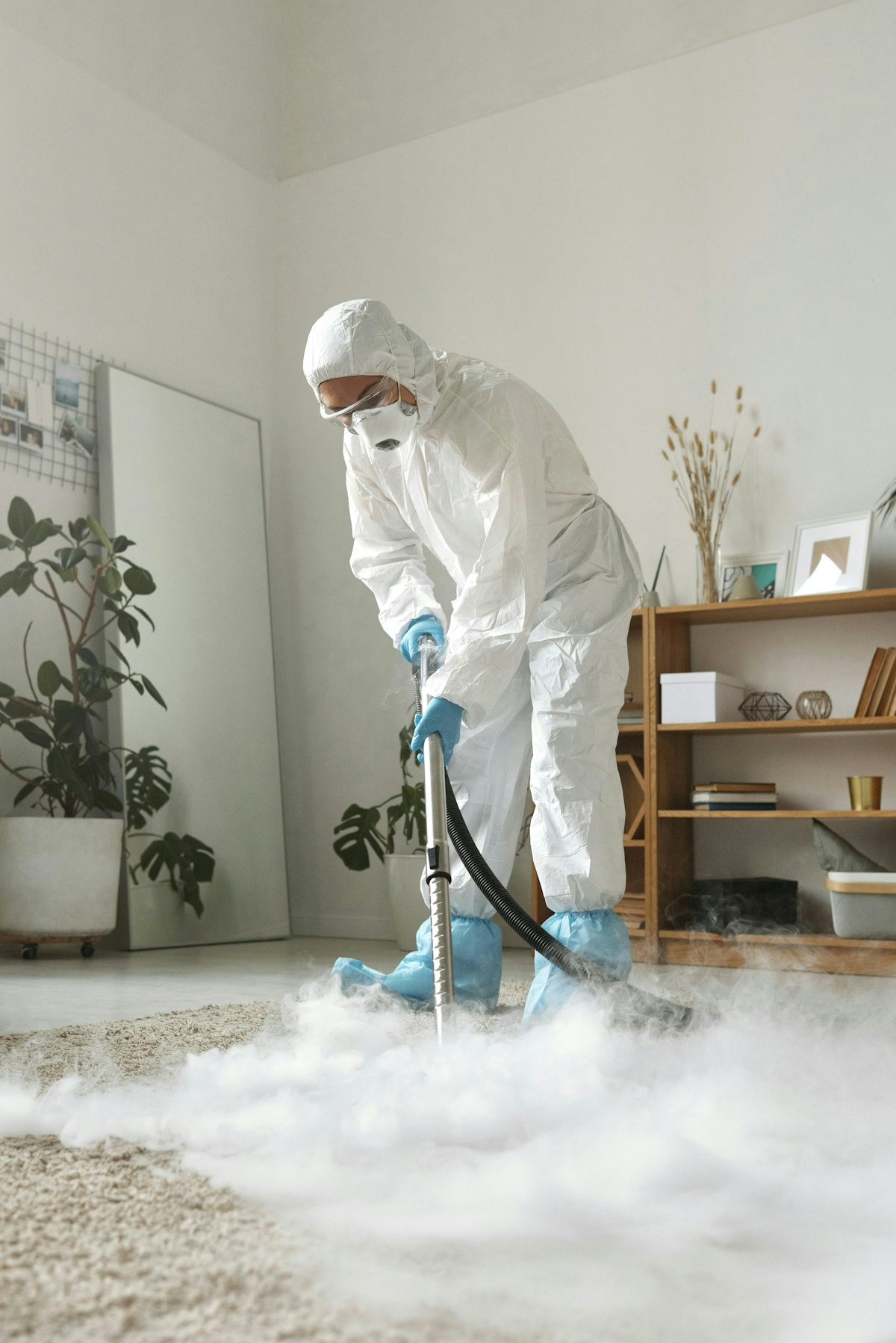
If you've been researching professional carpet cleaning in Sydney, you've almost certainly come across both "steam cleaning" and "dry cleaning" — often marketed with very different claims. Some companies claim steam cleaning is the gold standard; others suggest dry cleaning is faster and safer. The reality is more nuanced.
As professionals who've used both methods across thousands of Sydney homes and offices, here's our honest assessment of when each method is appropriate — and which one we recommend for most situations.
What Is Steam Cleaning (Hot Water Extraction)?
First, a clarification on terminology: "steam cleaning" is the common name, but the technical term is hot water extraction (HWE). The process doesn't actually use steam in the traditional sense — it uses hot water (typically 70–90°C) mixed with a cleaning solution, which is injected into the carpet under pressure and then immediately extracted by powerful suction.
The process:
- A pre-treatment solution is applied to loosen soiling and break down greases
- Hot water is injected deep into the carpet pile under high pressure
- Powerful extraction simultaneously pulls the water back out, along with dissolved soil, allergens, and bacteria
- The carpet is left slightly damp and dries within 2–6 hours depending on ventilation
Hot water extraction is endorsed by most major carpet manufacturers and is the method recommended by the Institute of Inspection Cleaning and Restoration Certification (IICRC), the peak body for carpet cleaning professionals globally.
What Is Dry Cleaning?
Despite the name, carpet dry cleaning isn't completely dry — it uses a small amount of moisture. There are several dry cleaning methods, the most common being:
Dry compound cleaning: An absorbent powder (similar in appearance to sawdust) mixed with cleaning solvents is spread across the carpet. A machine with rotating brushes works the compound into the pile, where it absorbs soil. The powder is then vacuumed out. This method uses minimal moisture and carpets are ready to walk on immediately.
Encapsulation: A polymer solution is applied to the carpet. As it dries, it encapsulates soil particles into a crystalline residue that can be vacuumed away. This is primarily a maintenance method used between deep cleans in commercial settings.
Dry foam: Shampoo is whipped into foam and applied to the carpet. After drying, the residue is vacuumed. This method has largely fallen out of favour in professional circles due to the risk of leaving residue that attracts future soiling.
The Key Differences: An Honest Comparison
| Factor | Steam (HWE) | Dry Compound |
|---|---|---|
| Cleaning depth | Deep — reaches backing | Surface and mid-pile only |
| Stain removal | Excellent | Moderate (surface stains) |
| Allergen removal | Excellent — kills dust mites | Limited |
| Dry time | 2–6 hours | Immediate to 30 minutes |
| Suitable for wool | Yes (with care) | Yes |
| Residue risk | Minimal if rinsed properly | Low to moderate |
| Cost | Moderate to high | Moderate |
| Best for | Deep cleans, stains, allergies | Maintenance, quick turnaround |
When Steam Cleaning Is the Right Choice
Hot water extraction is our recommended method for the vast majority of carpet cleaning situations. Specifically, it's the right choice when:
- You have embedded soil, grit, or heavy buildup that hasn't been professionally cleaned in 12+ months
- You're dealing with stains — particularly organic stains like food, drink, pet accidents, or blood
- Anyone in the household has allergies, asthma, or other sensitivities — HWE is the only method that reliably kills dust mites through heat
- You need a thorough end of lease clean that will satisfy a property manager
- You have synthetic carpets (nylon, polyester, polypropylene) — these are well-suited to HWE
When Dry Cleaning Makes Sense
Dry compound cleaning has legitimate advantages in specific situations:
- Commercial settings with high foot traffic — when carpets need to be back in use within an hour, dry compound cleaning offers immediate re-use
- Maintenance between deep cleans — a dry compound treatment every few months can supplement annual hot water extraction in busy offices
- Moisture-sensitive situations — if the subfloor cannot tolerate any moisture (some older buildings, certain parquet-style underfloors), dry methods reduce risk
- Very delicate natural fibres — some antique or extremely delicate rugs should not be saturated; a dry method or our specialist rug cleaning process is more appropriate
The Wet Carpet Myth
One of the most persistent claims made by proponents of dry cleaning is that hot water extraction leaves carpets "too wet" and causes mould. This can happen — but only when equipment is poorly calibrated, insufficient extraction is applied, or carpets aren't adequately dried afterwards.
A professional HWE service with properly maintained equipment leaves carpets damp, not wet. The extraction cycle removes the vast majority of the water introduced. If a technician is leaving your carpet sodden for hours, that's a quality issue with the operator, not an inherent flaw in the method.
Our Recommendation for Sydney Homes
For the typical Sydney household — synthetic carpet, regular foot traffic, once-a-year or once-every-18-months professional clean — hot water extraction is the superior choice. It cleans more thoroughly, removes more allergens, and delivers better stain results than dry compound methods.
For commercial clients who need quick turnaround, or for specific situations like delicate rugs, dry methods have a place. We're happy to advise on the right approach for your specific situation when you get in touch.
What matters most is that the job is done properly — with the right equipment, the right pre-treatment, and adequate extraction. A mediocre steam clean will underperform a well-executed dry compound treatment, and vice versa. The method matters less than the skill and equipment of the operator.
Get a professional clean with the right method for your carpet.
We'll assess your carpet type and condition and recommend the best approach — no upselling, just honest advice.