How to Get Rid of Pet Odour from Carpet (And When to Call a Professional)
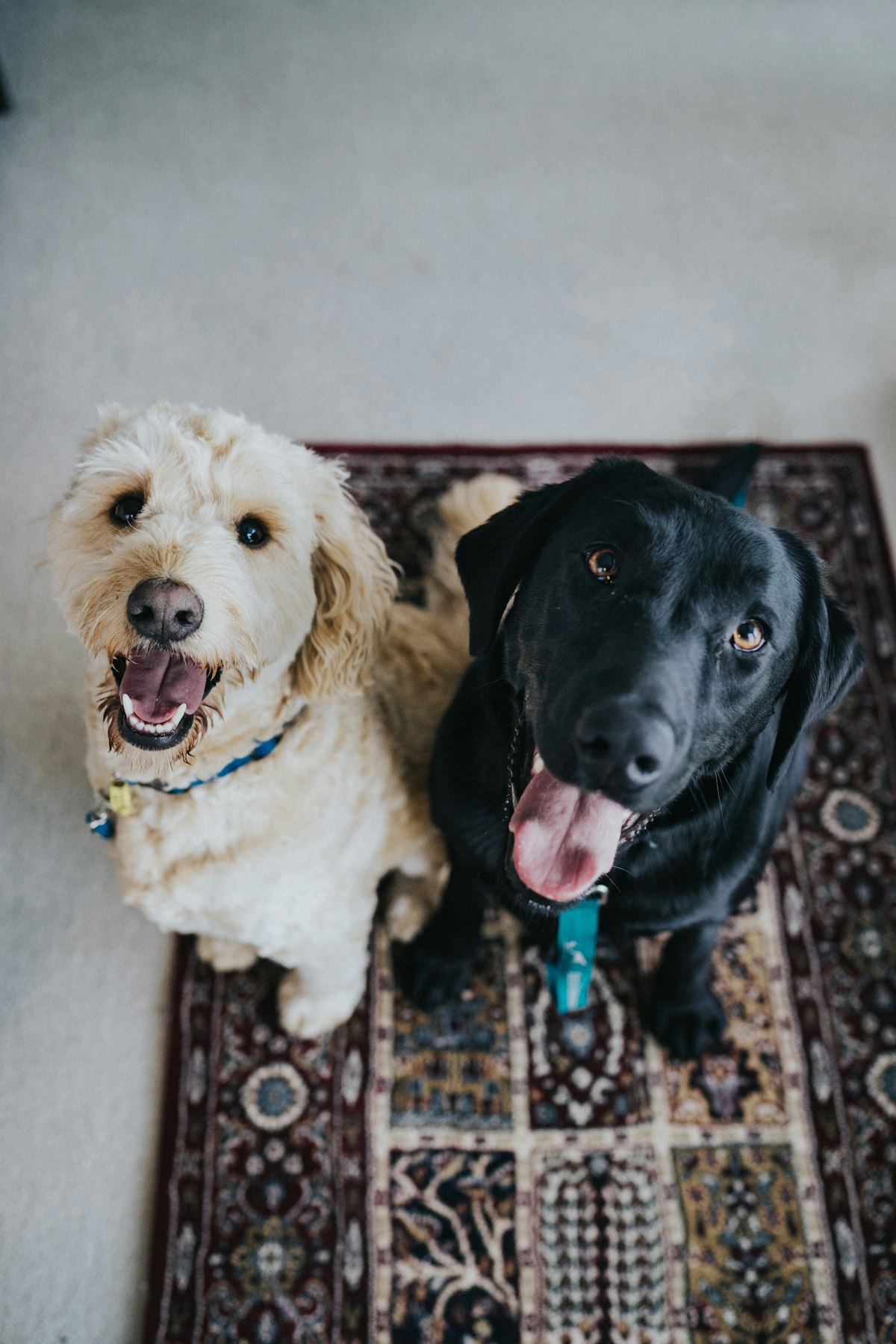
If you have pets, you've likely experienced the frustrating cycle: you clean the spot, the smell disappears for a day or two, and then it comes back — sometimes stronger than before. This isn't a fluke, and it's not because you cleaned it wrong. It's chemistry.
Understanding why pet odour persists is the first step to eliminating it properly. Here's what's actually happening in your carpet, what you can do at home, and when a professional clean is the only real solution.
Why Pet Odour Keeps Coming Back
When a pet urinates on carpet, the liquid soaks through the pile, into the backing, and often into the underlay beneath. The surface you can see and treat is only the top layer of the problem.
Fresh urine has a mild smell. As it dries, bacteria begin to break down the urea and other compounds, producing ammonia — which is responsible for the sharp, distinctive smell. Over time, the uric acid crystals that remain in the carpet and backing continue to release odour, especially when they're reactivated by humidity or cleaning moisture.
This is why pet odour often seems to worsen in humid Sydney summers: moisture in the air reactivates the crystallised uric acid, releasing fresh odour molecules. It's also why scrubbing the area with water can temporarily intensify the smell before it fades again.
What to Do Immediately After an Accident
Speed matters enormously. Fresh urine is infinitely easier to deal with than dried, set urine. Here's what to do the moment you notice an accident:
- Blot, don't scrub. Use a clean white cloth or paper towels to absorb as much liquid as possible. Press firmly, but don't rub — rubbing spreads the stain and drives it deeper into the fibres.
- Keep blotting. You can absorb significantly more liquid than you'd expect. Stand on the towels if needed to apply pressure. Continue until no more moisture transfers to the cloth.
- Apply cold water. Pour a small amount of cold water onto the area (hot water sets stains) and blot again. This dilutes what remains in the fibre.
- Apply an enzyme cleaner. Enzyme-based pet odour treatments (available at most Australian pet stores and supermarkets) contain biological enzymes that break down urea, proteins, and uric acid. Follow the product instructions carefully — most require you to keep the area damp for 10–15 minutes before blotting dry.
- Allow to dry completely. Place a clean towel over the area and weigh it down with a heavy object to draw out remaining moisture. Don't replace furniture or rugs until the area is fully dry.
Home Remedies: What Works and What Doesn't
Baking Soda
Baking soda is a mild deodoriser — it absorbs odour molecules rather than neutralising the source. It can help with surface smells between professional cleans, but it won't address uric acid crystals in the carpet backing. Sprinkle liberally over the dry area, leave for several hours, then vacuum thoroughly.
White Vinegar
White vinegar is mildly acidic and can help neutralise the ammonia compounds in urine. A 50/50 mix of white vinegar and cold water applied to a fresh stain can reduce odour effectively. However, vinegar won't break down uric acid, and the vinegar smell itself takes time to dissipate. Don't use it on wool or wool-blend carpets without testing first — vinegar can affect some dye processes.
Hydrogen Peroxide
A 3% hydrogen peroxide solution can be effective on some stains, but use it with extreme caution. It's a bleaching agent and can permanently discolour or lighten carpet fibres if used on the wrong material. Test in a hidden area first. Never use it at concentrations higher than 3%, and never mix it with other cleaning products.
Commercial Enzyme Cleaners
These are the most effective home option for pet odour. Products like Urine Off, Bio-Zet Attack, and similar enzyme-based cleaners contain live bacteria that produce enzymes specifically designed to break down the organic compounds in pet waste. They work over several hours to days and require the area to stay moist during treatment. They're safe for most carpet types and genuinely effective — if the contamination is surface-level.
When Home Treatment Isn't Enough
Home treatment has real limitations. If the urine has soaked into the carpet backing or underlay — which it almost always does when an accident is missed or repeated in the same spot — enzyme cleaners applied to the surface can't reach the source.
You'll know you need professional help when:
- The odour returns within a few days of home treatment
- You can smell the area from across the room
- The smell intensifies in humid weather
- You can see a stain but can still smell odour after the stain is gone
- Your pet keeps returning to the same spot (animals can smell residual urine far better than humans can)
- Multiple accidents have occurred in the same area over time
What Professional Pet Odour Treatment Involves
Our professional stain and odour removal service for pet odour goes significantly further than surface cleaning. Here's what the process involves:
UV inspection. We use UV (blacklight) torches to map the full extent of contamination — including areas that may be invisible in normal light. Pet urine fluoresces under UV, revealing exactly where treatment is needed.
Sub-surface enzyme treatment. We apply high-concentration enzyme solutions designed to penetrate through the carpet pile into the backing and, where necessary, the underlay. The enzyme solution is agitated into the fibres to maximise contact.
Dwell time. Enzyme treatment requires time to work. We allow sufficient dwell time for the biological reaction to complete.
Hot water extraction. After enzyme treatment, we perform hot water extraction to flush the broken-down compounds out of the carpet and remove all residue.
Deodorising treatment. A professional deodoriser is applied to neutralise any remaining molecules and leave the carpet fresh-smelling.
In cases of severe contamination, it may be necessary to lift the carpet and treat the underlay directly. We'll always advise you honestly if we encounter a situation where the underlay needs replacement — no amount of cleaning will fix deeply saturated foam.
Preventing Future Odour Issues
- Act immediately on any accident — the 5-minute response window makes a significant difference
- Use enzyme-based cleaners rather than steam or hot water on fresh accidents
- Consider carpet protector treatment after cleaning — it creates a barrier that makes future spills easier to treat
- Keep pets away from the treated area until it's completely dry
- Schedule regular professional carpet cleaning every 6–12 months if you have pets
If your pet is repeatedly soiling the same spot, that's often a behavioural signal worth discussing with your vet — some pets return to spots where they can still detect residual odour, so effective treatment is the first step in breaking the cycle.
Dealing with pet odour in your carpet?
Our enzyme treatment is specifically formulated for pet urine — not just a surface clean. We serve homes across Sydney including Sefton, Prestons, Revesby, Bankstown, and surrounds.